Impact of Rising Costs on Wisconsin Families
The increasing costs of basic necessities, including housing, food, and healthcare, are significantly affecting Wisconsin families. As prices continue to rise, many families struggle to make ends meet, highlighting the urgent need for legislative action to address these economic challenges.
For instance, recent reports indicate that the cost of living in Wisconsin has surged, with housing prices rising by nearly 8% over the past year. This financial strain has prompted discussions among lawmakers about the necessity of increasing the minimum wage and providing more support to low-income families to ensure their basic needs are met.
Legislative Responses to Education Funding Challenges
In light of the ongoing debates surrounding K-12 education funding, Wisconsin lawmakers are exploring various legislative responses to ensure adequate financial support for public schools. The recent lawsuits filed by school districts underscore the urgent need for a reevaluation of the state's funding formula.
For example, the lawsuit claims that the current funding system is unconstitutional and fails to meet the educational needs of all students. As discussions unfold, it is crucial for legislators to consider reforms that prioritize equitable funding and address the disparities faced by underfunded districts.
Wisconsin's Housing Market Trends and Future Outlook
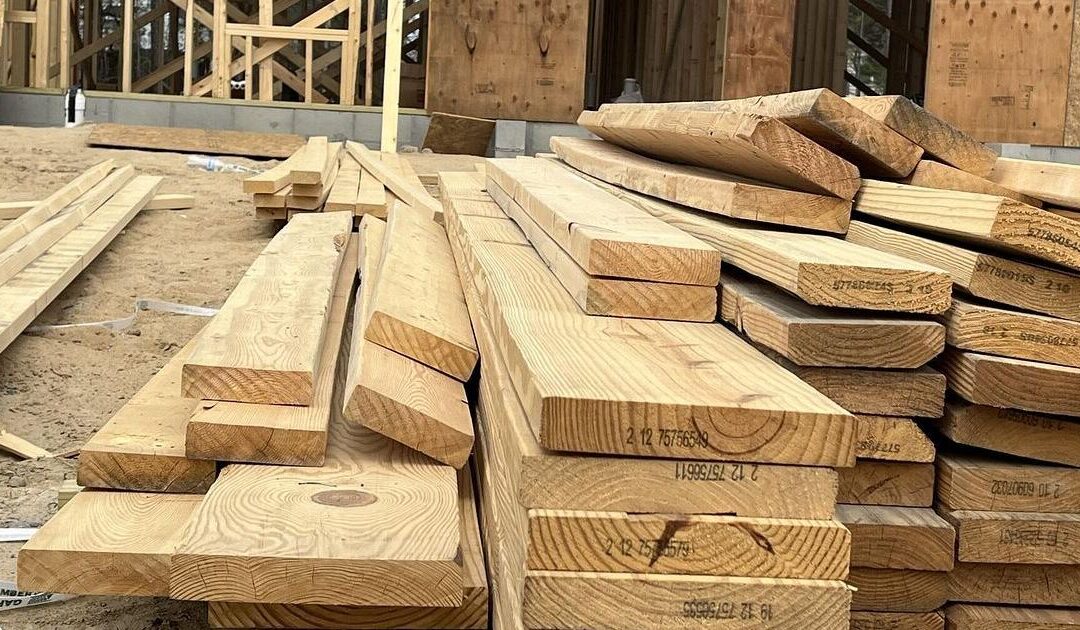
The Wisconsin housing market is experiencing notable trends as it heads into 2026, with home sales declining while prices continue to climb. This duality presents challenges for potential homebuyers and raises questions about the sustainability of the market in the coming years.
Data from the Wisconsin Realtors Association indicates that existing home sales fell by nearly 4% compared to the previous year, while median home prices increased to $315,000. Experts suggest that ongoing economic factors, including fluctuating mortgage rates, will play a significant role in shaping the housing market's future dynamics.
Transparency Initiatives in Wisconsin Government
Amidst calls for greater transparency in government operations, Wisconsin is considering new initiatives aimed at enhancing public access to information. Recent legislative proposals focus on improving accountability in various sectors, including education and regulatory agencies.
One significant proposal involves the Wisconsin Interscholastic Athletic Association (WIAA), which would be required to adhere to open records laws. Advocates argue that such measures will foster trust between the organization and the public, ensuring that decisions affecting student-athletes are made with transparency and integrity.
Impact of Rising Costs on Wisconsin Families
The increasing costs of basic necessities, including housing, food, and healthcare, are significantly affecting Wisconsin families. As prices continue to rise, many families struggle to make ends meet, highlighting the urgent need for legislative action to address these economic challenges.
For instance, recent reports indicate that the cost of living in Wisconsin has surged, with housing prices rising by nearly 8% over the past year. This financial strain has prompted discussions among lawmakers about the necessity of increasing the minimum wage and providing more support to low-income families to ensure their basic needs are met.
Legislative Responses to Education Funding Challenges
In light of the ongoing debates surrounding K-12 education funding, Wisconsin lawmakers are exploring various legislative responses to ensure adequate financial support for public schools. The recent lawsuits filed by school districts underscore the urgent need for a reevaluation of the state's funding formula.
For example, the lawsuit claims that the current funding system is unconstitutional and fails to meet the educational needs of all students. As discussions unfold, it is crucial for legislators to consider reforms that prioritize equitable funding and address the disparities faced by underfunded districts.
Wisconsin's Housing Market Trends and Future Outlook
The Wisconsin housing market is experiencing notable trends as it heads into 2026, with home sales declining while prices continue to climb. This duality presents challenges for potential homebuyers and raises questions about the sustainability of the market in the coming years.
Data from the Wisconsin Realtors Association indicates that existing home sales fell by nearly 4% compared to the previous year, while median home prices increased to $315,000. Experts suggest that ongoing economic factors, including fluctuating mortgage rates, will play a significant role in shaping the housing market's future dynamics.
Transparency Initiatives in Wisconsin Government
Amidst calls for greater transparency in government operations, Wisconsin is considering new initiatives aimed at enhancing public access to information. Recent legislative proposals focus on improving accountability in various sectors, including education and regulatory agencies.
One significant proposal involves the Wisconsin Interscholastic Athletic Association (WIAA), which would be required to adhere to open records laws. Advocates argue that such measures will foster trust between the organization and the public, ensuring that decisions affecting student-athletes are made with transparency and integrity.