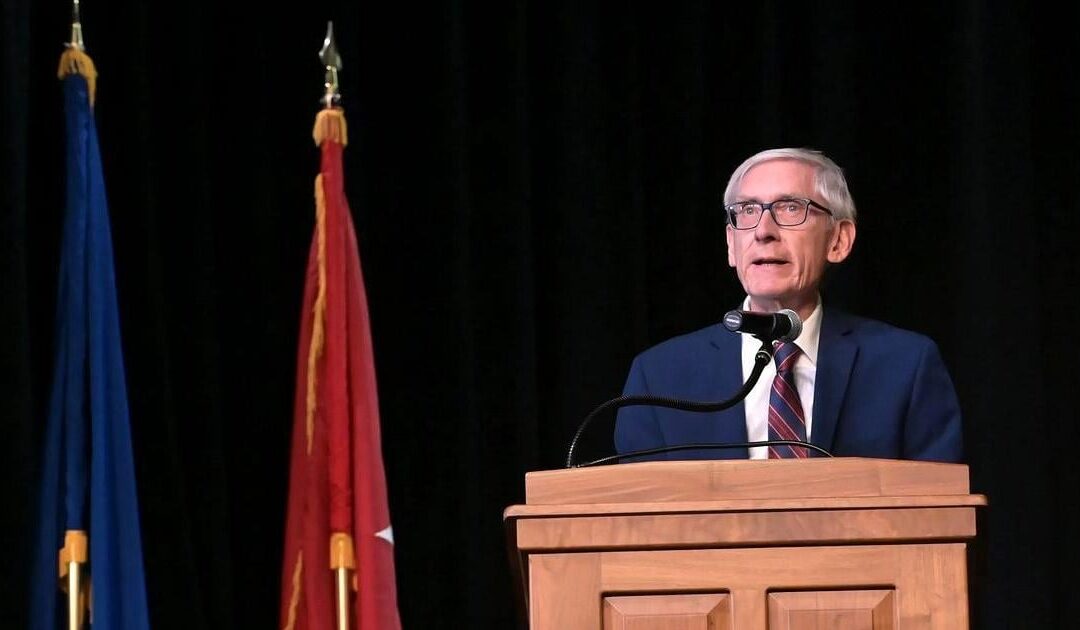
(The Center Square) – Wisconsin Gov. Tony Evers vetoed a set of three University of Wisconsin-related bills Friday that included free speech protections on campus, a block of additional online course fees and a bill that would change minority programs to programs for disadvantaged students.
Senate Bill 532 would prevent University of Wisconsin schools from assessing the online class fees unless the school can show actual additional costs to conduct the classes online.
Bill sponsors say that fees for online-only or hybrid courses can add up and be a hidden way for the university to add cost to college.
Evers called the bill an attempt to undermine the Board of Regents.
“If lawmakers sincerely cared about the soaring costs of higher education for students on Wisconsin campuses, they would have approved any number of the countless measures and investments I have proposed over my tenure to ensure the University of Wisconsin System can survive and thrive without having to frequently rely on raising tuition or increasing various fees for students and families,” Evers wrote. “Moreover, this legislation risks reducing the availability of online course opportunities that students rely on for a flexible and accessible education.”
The campus free speech bill would carry a punishment of two academic years of frozen tuition if a school violates any of the requirements of the bill multiple times in a five-year period.
“Having personally served on the Board of Regents as State Superintendent of Public Instruction and having visited most if not all University of Wisconsin System and Wisconsin Technical Colleges System campuses, respectively, during my time as governor, I am happy to report to members of the Wisconsin State Legislature that the First Amendment and freedom of speech remain alive, well, and thriving on Wisconsin college campuses,” Evers wrote.
The third veto came on a bill that would have changed minority student aid programs to programs that provide aid to disadvantaged students of all races.
“I am vetoing this bill in its entirety because I object to the Wisconsin State Legislature creating new censorship rules that are designed to police language on our higher education campuses and ultimately prevent our state’s higher education institutions from acknowledging students come to our college campuses with unique and diverse backgrounds, experiences, and needs,” Evers wrote.